Juliana Restrepo Giraldo on the home, everyday life and the work environment we create at home

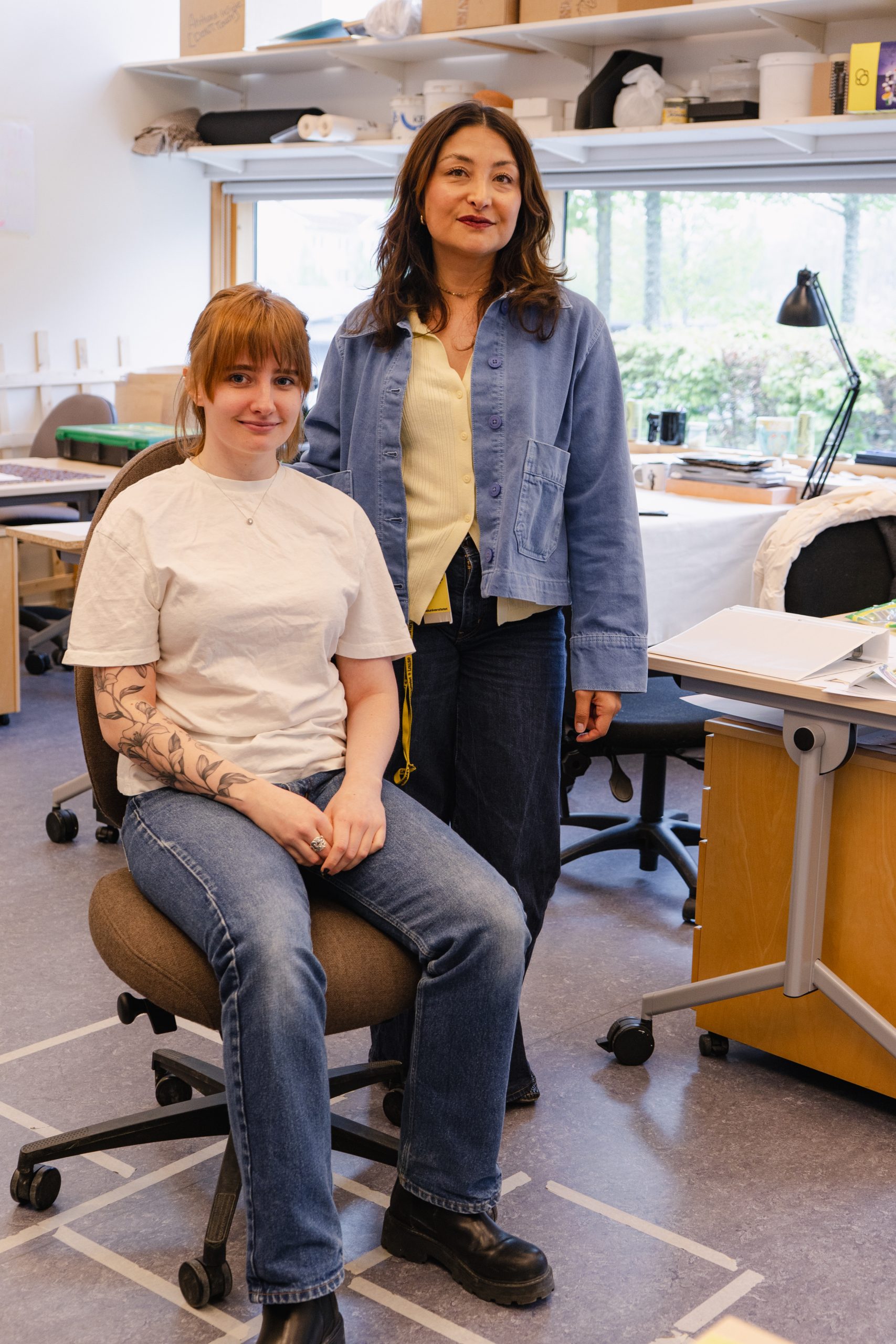
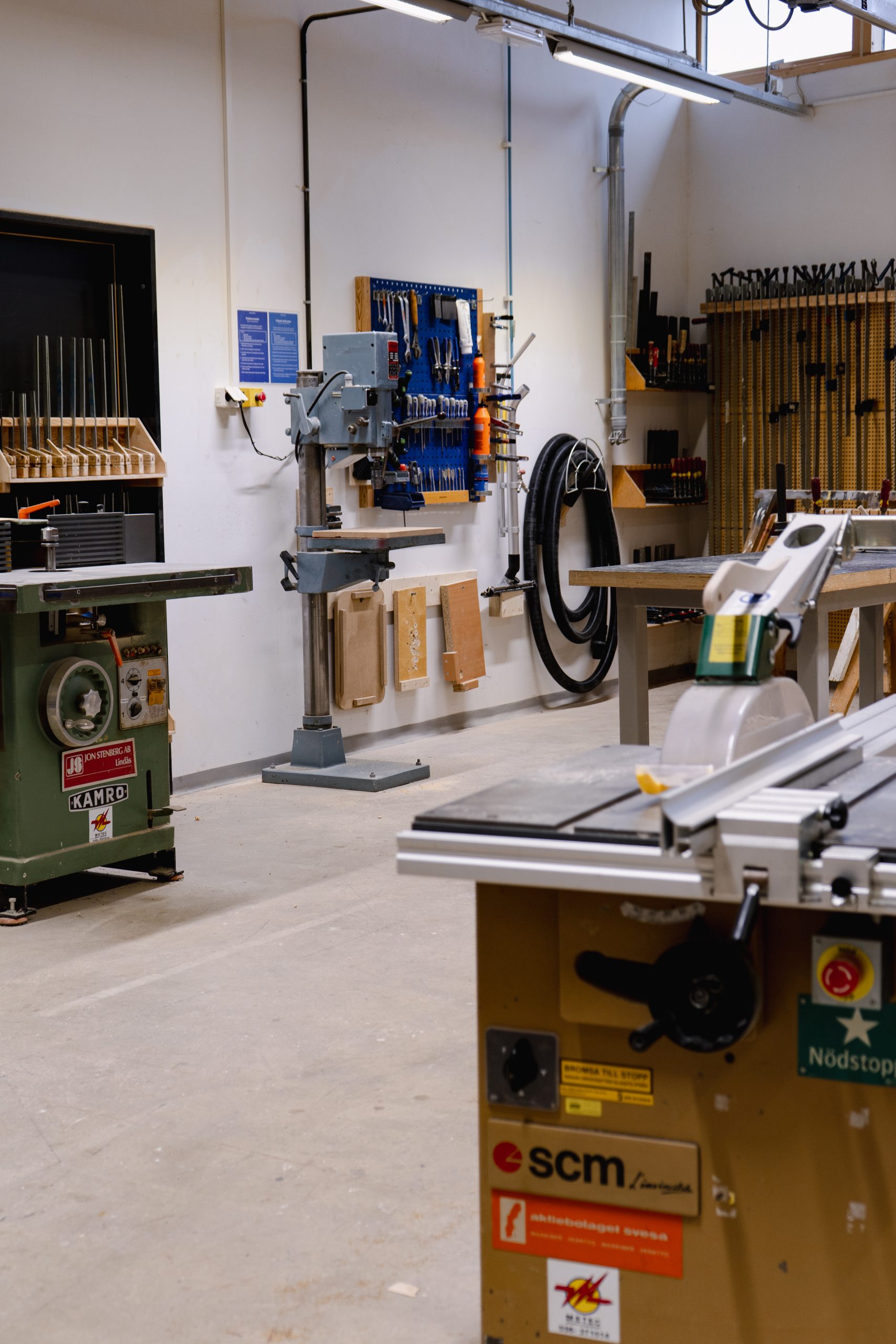
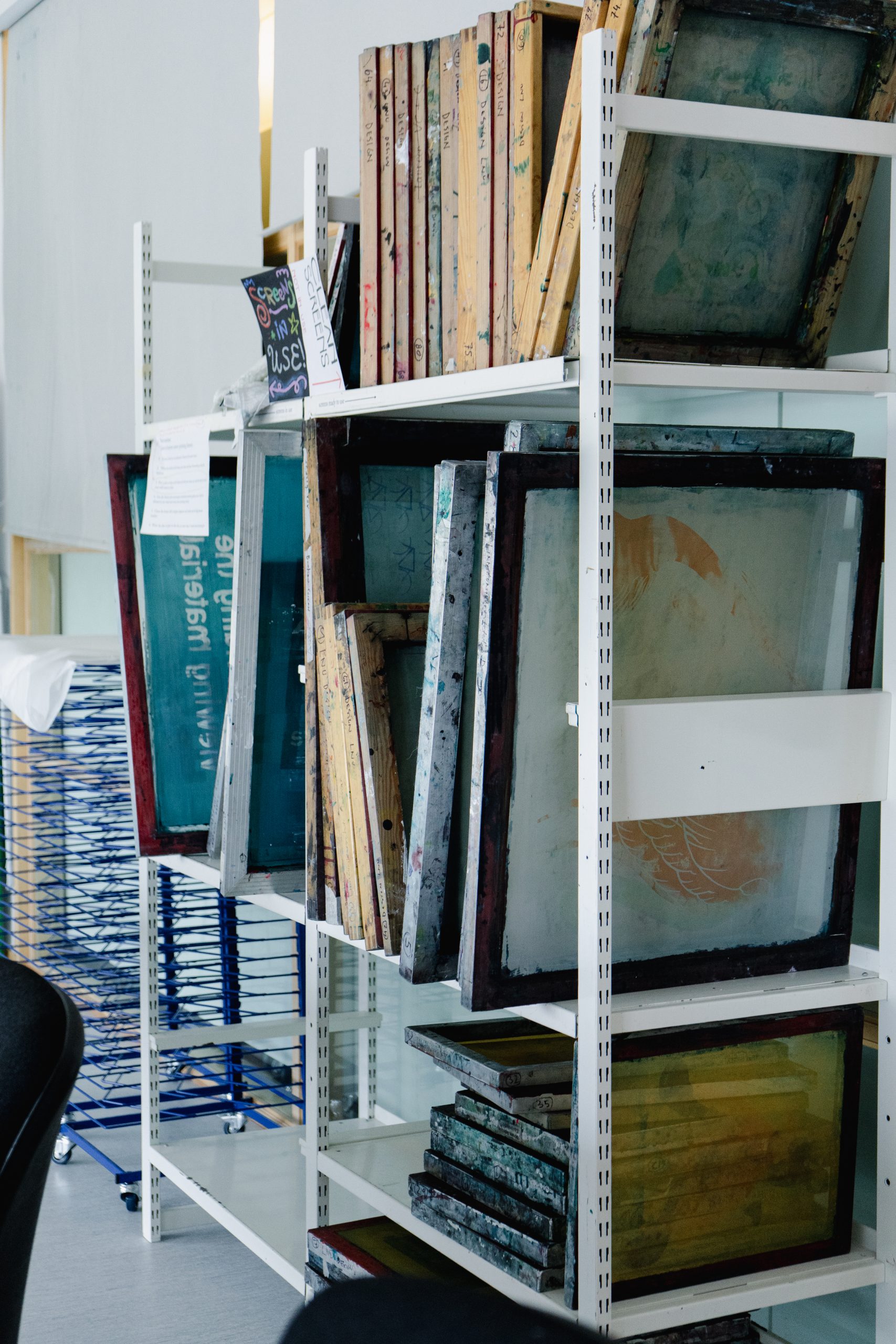
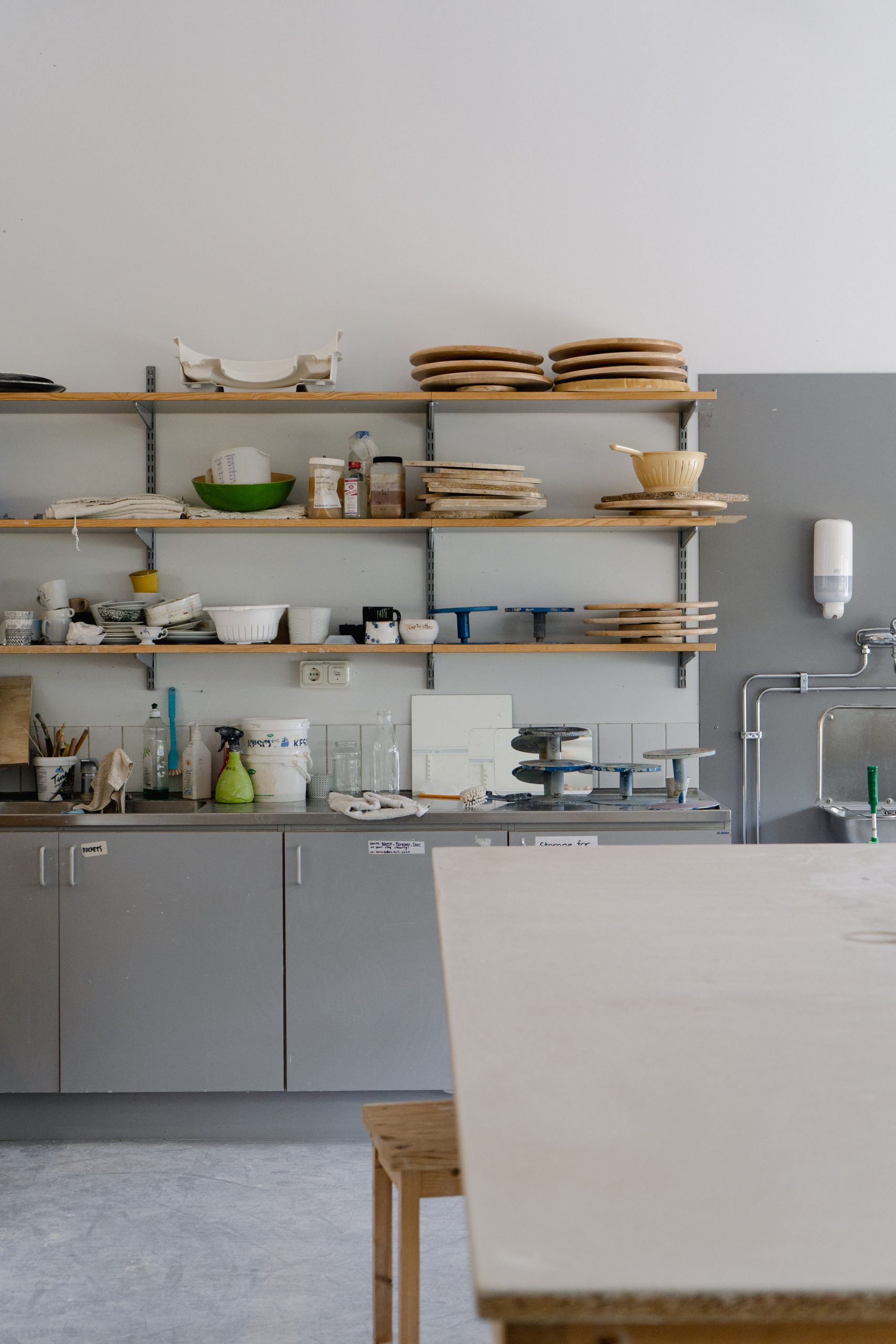
One day in Växjö, we visit Juliana Restrepo Giraldo at Linnaeus University, where she works as a researcher and lecturer in design. She takes us through the premises and shows us classrooms where students develop many different types of projects – from services, strategies and furniture to other solutions that challenge traditional ideas of what design can be. It is an environment where ideas are given physical form. Sketches, prototypes, conversations and experiments all become part of the learning process.
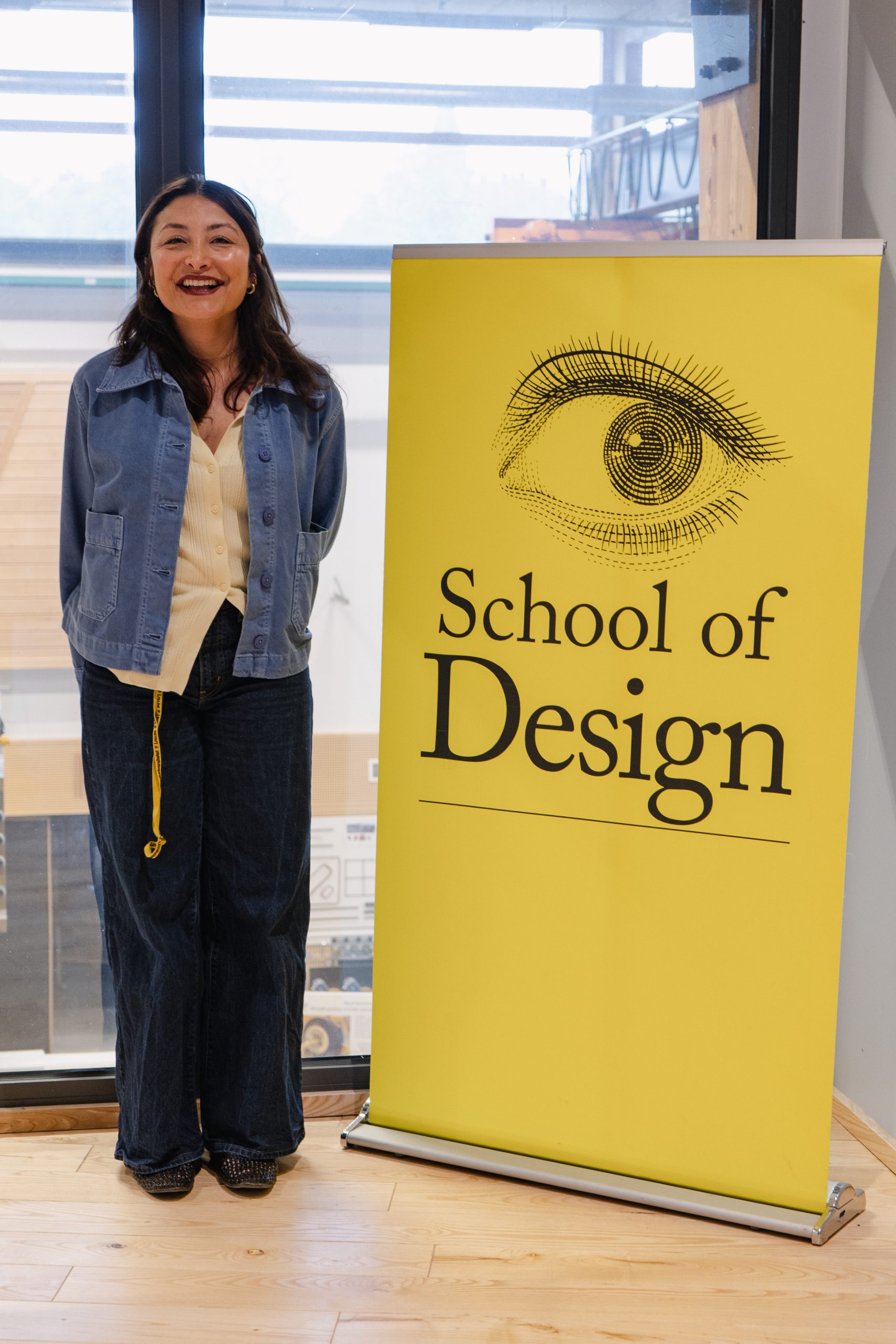
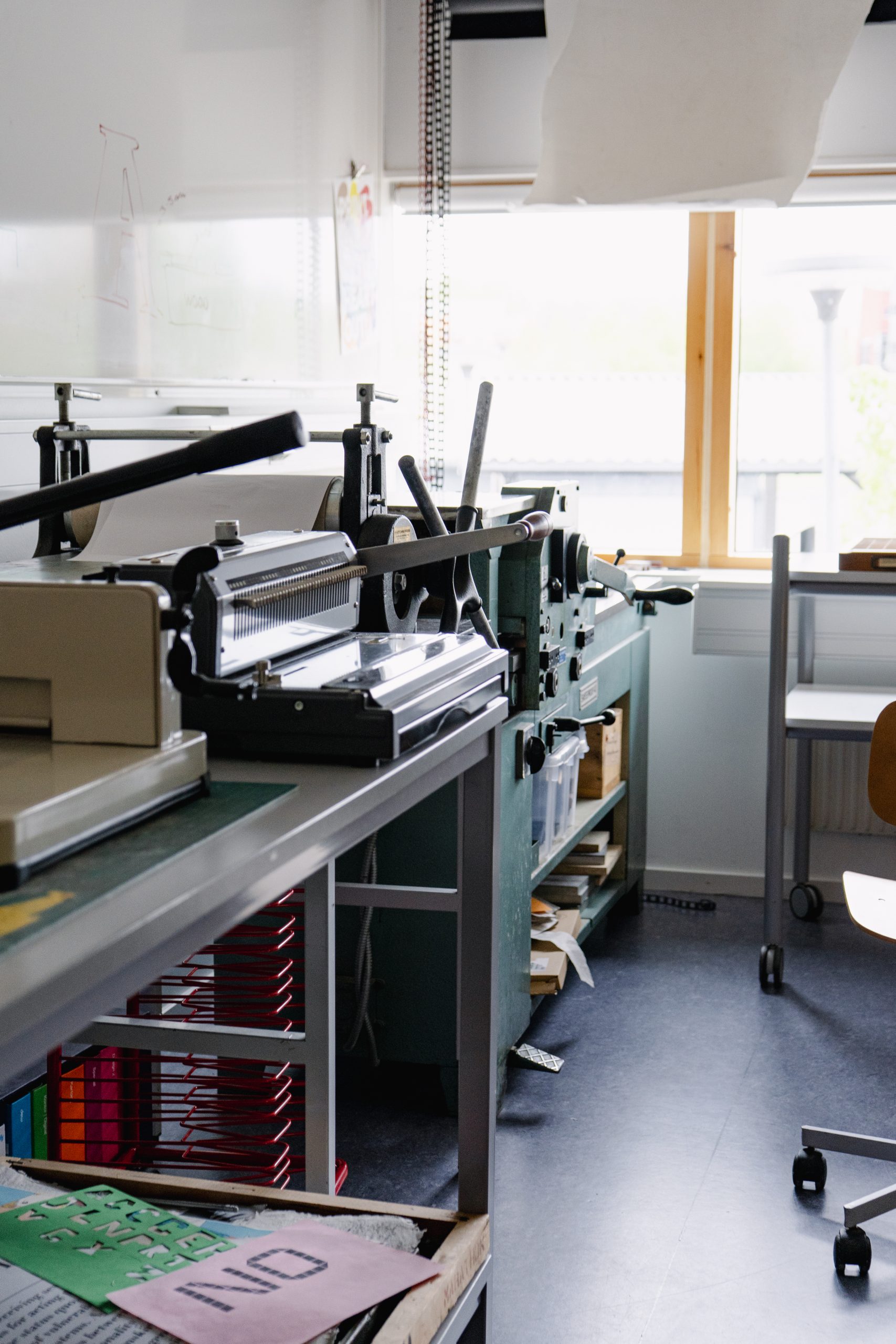
Juliana explores how we, as humans, shape our homes, our habits and the ways we live. For her, the home is not only about walls, furniture and objects. It is also about relationships. To the place we live, to the nature around us, to the people we share everyday life with and to the routines that shape our lives.

Her research is based on the concept of relational home-making. It can be described as a way of understanding the home as something we create every day — through small actions, care, habits and choices.

Today, the home has also taken on a new role. For many, it is no longer only a place for rest and private life, but also a place for work, studies, digital meetings and concentration. This makes the work environment at home just as important to consider as the one at the office.

Juliana’s perspective is therefore especially relevant at a time when the boundary between home and work has changed. If the home is something we shape through what we do every day, the home office also becomes part of that whole. How we sit, how we work, how we take breaks and how the body is supported affects not only the working day — but also how we feel when the day is over.

Together with Åsa Ståhl and Kristina Lindström, Juliana has published Un/making what?, a handbook for design students and teachers that introduces the concept of un/making as a framework for understanding design. The publication highlights design as a practice that goes beyond creating something new, opening instead for other ways of relating to what already exists. It is also about slowing down, seeing what is already around us and caring for what needs to be preserved, changed or understood in a new way. This perspective fits closely with Juliana’s way of thinking about the home and everyday environments.

At her home workspace, Juliana sits in a Malmstolen Active R3. It is a small part of her environment, but an important one. When work consists of reading, writing, teaching and reflection, the body needs the right conditions to stay focused over time.

For Malmstolen, meeting Juliana is a way to raise a larger question: How do we create work environments that function well even when work moves into the home?

A chair is not the whole answer. But it is one of the things the body meets every day. And when the home also becomes a workplace, it becomes even more important to choose solutions that support focus, wellbeing and a more sustainable working life.

Juliana’s research reminds us that the big questions often begin close to home. In how we live. How we work. And how we shape the environments that carry us through everyday life.

Thank you, Juliana, for an inspiring conversation and for sharing your perspectives on the home, everyday life and the environments we create around us.